
Modern couponing without turning it into a second job
A five-minute transaction stack, one price-history check, narrowly defined alerts, and a stopping rule that protects attention.
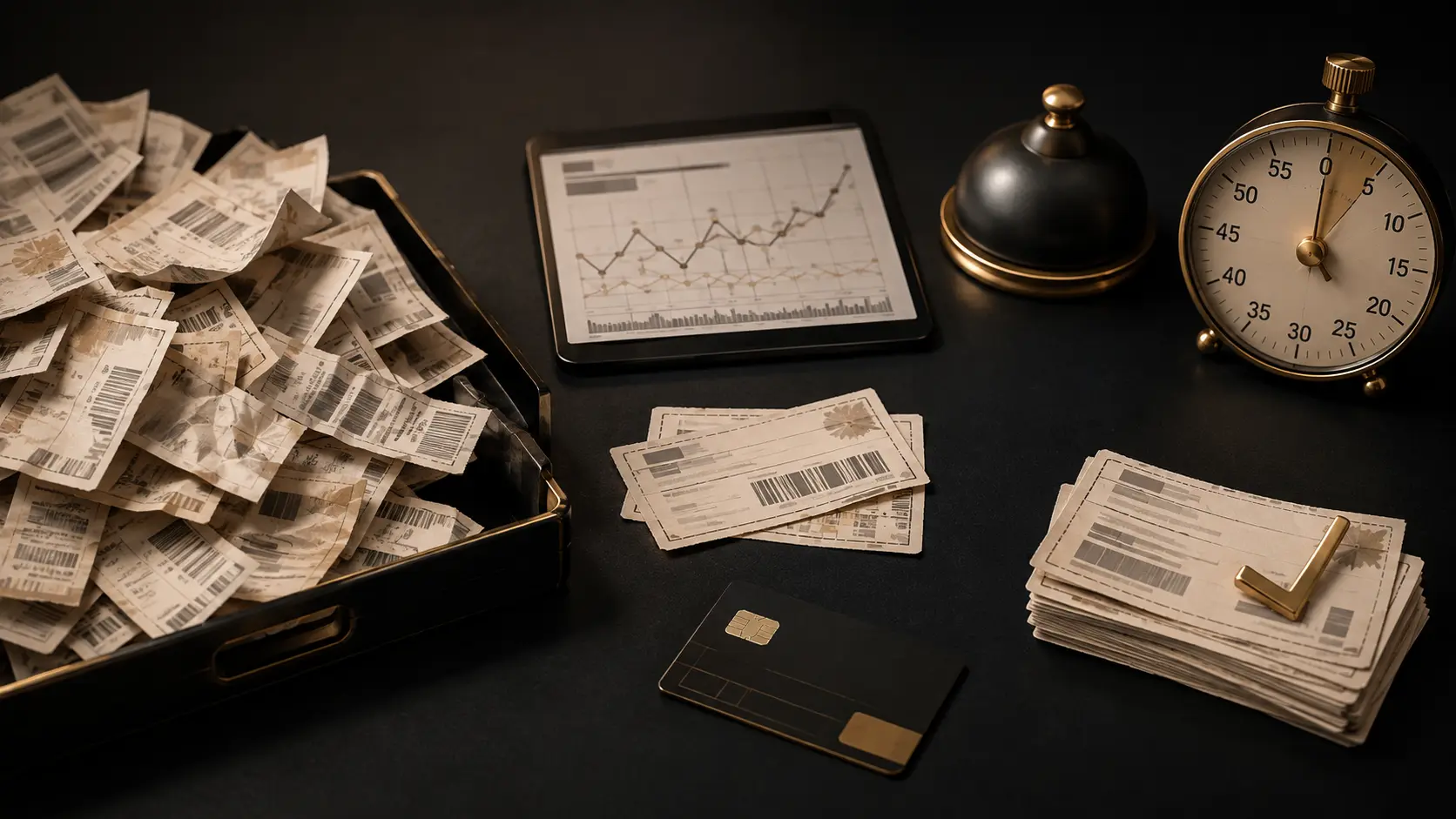
In brief
The short answer
- Choose the product first, then give an ordinary transaction five minutes for price, coupon, cashback, card-offer, and receipt checks.
- Use price history for one narrow question and let a specific alert do the waiting.
- Escalate only when the purchase size, repetition, or avoided risk can repay a larger research project.
I want discounts, but I don't want couponing to become a second job. Five minutes to check a legitimate offer or cashback rate can be worthwhile. Spending an hour chasing another two dollars usually isn't. The time limit is part of the deal.
The product decision comes first. My Online Buying System decides what deserves to be purchased. This shorter transaction layer decides when and where to buy it.
Put a clock on the search
I have to put a ceiling on deal hunting because I actually enjoy it. My default is five minutes for a cheap, easy-return item and up to half an hour for a larger or repeated purchase. A car, TV, or room-sized project deserves a real research plan with a deadline. Spending an hour to save five dollars isn't a victory.
Estimate the maximum realistic savings before opening more tabs. If thirty minutes can prevent a four-figure mistake or create a reusable alert for a recurring purchase, continue.
- Purchase
- Low-cost and reversible
- Default time
- 5 minutes
- Required result
- Price check, one coupon pass, trusted seller
- Purchase
- Moderate or repeated
- Default time
- 30 minutes
- Required result
- Price history, return terms, credible stack
- Purchase
- High-consequence
- Default time
- Defined project
- Required result
- Shortlist, total cost, evidence, deadline
Adjust those time limits to the purchase. A small discount should have a small research budget.
Run the same transaction stack
Consistency is faster than improvisation:
- Confirm the retailer's live price and any bundle you would actually use.
- Test one trusted coupon source or extension.
- Compare reputable cashback rates and exclusions.
- Check card-linked offers without carrying a balance.
- Save the receipt and set any return or price-drop reminder.
Not every layer combines. An unlisted coupon may invalidate cashback. A card offer may require a direct merchant charge. Take a screenshot when an unusually valuable offer has conditions, and keep the order confirmation until the useful remedy window closes.
If the discount changes which product you intended to buy, stop and return to the product decision.
Use history and alerts, not sale theater
For Amazon, a price-history service such as CamelCamelCamel can show whether the current price is unusual and can alert you to a target price. Historical prices do not prove future prices, product quality, or seller quality. They answer one narrow question: whether today's sale language matches the observed listing history.
I use a dedicated email address for deals and price drops so marketing does not overwhelm my primary inbox. A useful alert names the exact product or acceptable substitutes, target price, expiration condition, and maximum wait.
One filament alert moved from $14.99 to $13.49. The savings were modest. The system still worked because the alert required no active hunting and applied to a consumable I expected to use. Forty minutes of manual searching for the same dollar amount would have failed the test.
Review browser-extension permissions before giving a shopping tool access to browsing activity. Remove extensions and alerts that stop earning that access or produce no useful signal.
Know when this shortcut is too small
Do not use a five-minute coupon pass for safety-critical equipment, an unfamiliar seller, a hard-to-return item, or a product whose compatibility is uncertain. Those decisions need evidence, seller checks, warranty terms, and complete landed cost.
Urgent purchases may justify paying a fair price to a trusted seller. Major purchases may save more through the right model, open-box condition, or product tier than through another coupon.
The decision
Modern couponing should make the intended purchase cheaper without turning attention into the hidden fee. Use five minutes by default. Automate the waiting. Escalate only when the expected savings or avoided risk justifies a larger project.
The best deal system does not make you hunt harder. It makes a researched price interrupt you, then lets you leave.
Sources
Disclosure
Some links may earn Mr ROI a commission at no added cost to you. That does not change the recommendation. This is general information, not personal financial or medical advice. Read the full disclosure.