
The treatment that finally controlled my hyperhidrosis
Tap-water iontophoresis did not cure my severe hand and foot sweating, but a repeatable RA Fischer routine gave me a normal baseline.
In brief
What I learned
My stable maintenance routine is two 20-minute sessions per week; stopping for about two weeks allows symptoms to return.
After roughly five years, the result is valuable enough that I keep up the routine.
Diagnosis, contraindications, the exact device manual, skin response, and clinician guidance come before copying a routine.
Tap-water iontophoresis did not cure my hyperhidrosis. It gave me control. After years of severe hand and foot sweating, my sustainable maintenance routine became two 20-minute sessions per week. If I stop for about two weeks, the sweating begins to return.
I have used the device for roughly five years. Iontophoresis treats excessive hand and foot sweating; a clinician and the device instructions can help you assess suitability and plan treatment.
What changed enough to justify treatment
This was not ordinary nervous sweating. Objects I touched became wet. I avoided handshakes, wiped my palms on my shorts, and then walked around in damp clothing. The problem affected grip, paper, electronics, footwear, and social contact.
New, generalized, one-sided, nighttime, medication-related, or otherwise unexplained sweating can have another cause. A clinician or dermatologist should help distinguish primary focal hyperhidrosis from a condition that needs different evaluation.
I tried a Carpe hand product and did not get enough control to justify its sticky feel. A later underarm product worked better for me, which is why I do not treat a brand or body area as one universal verdict. Oral medication, injections, and surgery were also among the alternatives I considered. I preferred to try a local, non-surgical treatment before accepting their different risks and burdens.
Evaluate each treatment area separately. What controls my hand sweating may be a poor fit for underarms or feet.
The system I bought and the cost I accepted
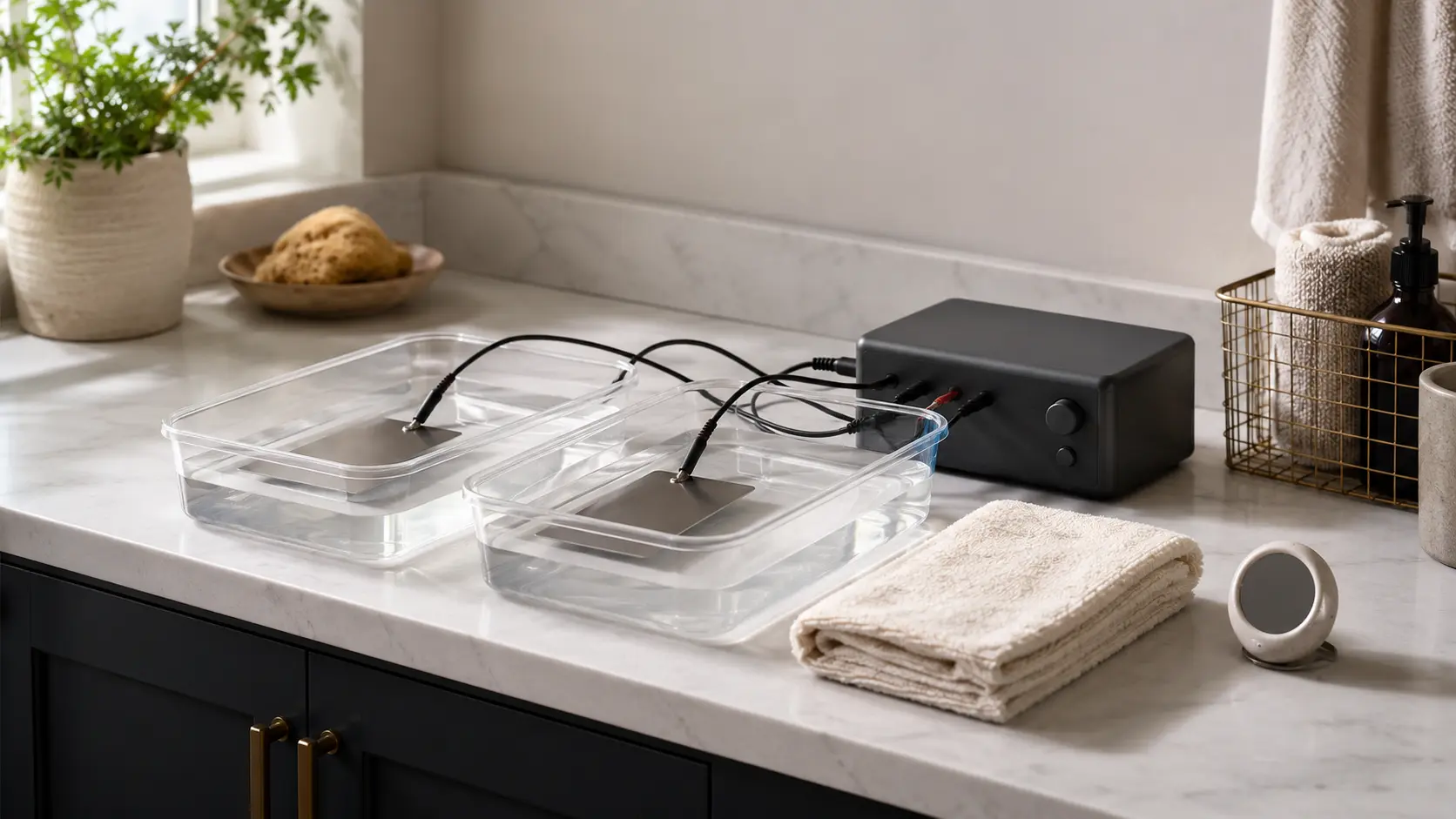
I bought a complete RA Fischer setup for hands, feet, and underarms for a little over $1,000 without insurance. Mine included the controller, electrodes, trays, cables, and underarm attachments. I primarily use iontophoresis for my hands and feet and use a separate topical approach for underarms.
At two maintenance sessions a week across years, the direct cost per use became small. The real ongoing cost is time: about 80 minutes a week for hands and feet, plus setup, drying, skin care, and schedule disruption while traveling. I often watch television during treatment, but the time is not free.
The return has been a normal baseline. I went from severe daily interference to mostly noticing sweat during hard training or acute stress. That outcome is large enough that I continue the routine. It is still not a cure because the effect reverses when treatment stops.
Insurance coverage, prescriptions, and account eligibility vary. Get written confirmation from the insurer or account administrator before assuming reimbursement.
My protocol is a field note, not a universal dose
The initial phase required frequent 20-minute treatments while I gradually increased current within the device instructions and my tolerance. I do not have a reliable record of the exact number of startup weeks, so I will not reconstruct one.
Once controlled, I found that two sessions per week kept the best balance. More treatment can make my skin too dry. Less eventually allows symptoms to return. Missing about two weeks is noticeable, and temporarily increasing frequency helps me re-establish control.
The American Academy of Dermatology describes iontophoresis sessions that often run 20 to 30 minutes, initially repeated more often and then reduced to maintenance after control. That external guidance supports the treatment pattern, not my exact schedule for another person.
Track session date, treatment area, device setting, symptom control, dryness, and irritation. A record is more useful than copying a stranger’s current level.
Safety is not an optimization problem
Iontophoresis passes electrical current through shallow water. The exact device manual and current contraindication list control. Listed concerns can include pregnancy, implanted cardiac devices, certain metal implants, impaired sensation, significant wounds, arrhythmias, seizure disorders, infected skin, and vascular conditions. Any one can rule out treatment or require clinician guidance.
That list is not exhaustive and can change by device. Do not copy my intensity, add medication to the water, or treat another body path because a forum post sounds confident.
Tingling, dryness, redness, irritation, burning, and mild burns can occur. Pain, numbness, a persistent burn, palpitations, or another unexpected symptom is a reason to stop and seek appropriate advice, not a reason to tolerate more current.
Before a first session:
- Confirm that the diagnosis and treatment area fit iontophoresis.
- Read the manual and contraindications for the exact device.
- Remove jewelry and follow its water, polarity, skin-protection, and setup instructions.
- Increase current only within the manufacturer’s guidance and personal comfort.
- Ask a clinician before adding any medication or other substance to the trays.
Test whether it is actually working
Establish a baseline before the initial series. Record practical failures, such as wet paper or slipping grip. Photograph a standardized handprint test and score interference with work and social contact. Repeat the same observations after consistent use.
A small randomized sham-controlled study of palmar hyperhidrosis found better sweat and quality-of-life outcomes after ten active sessions. That gives the category evidence beyond my own experience; your response and maintenance schedule still need assessment.
A fair trial needs consistent technique and an outcome defined before the first session. My useful outcome was not “sweat less.” It was handling paper and electronics, shaking a hand, and moving through an ordinary day without constantly wiping my palms. Another person may care most about footwear, work gloves, grip, or social avoidance.
Use the same simple test conditions before and after the initial series. Record practical failures, not only a feeling immediately after treatment. If improvement appears, reduce toward the least burdensome maintenance schedule that preserves it within professional and device guidance. If no meaningful improvement appears, check the setup and diagnosis rather than letting the purchase price pressure you into endless treatment.
If correct, consistent use does not produce meaningful improvement, check diagnosis and setup with a clinician or the manufacturer rather than raising intensity indefinitely. Water mineral content, skin contact, technique, and treatment selection can matter.
Who should not follow my recommendation
Someone with a listed contraindication, an unexplained sweating pattern, broken or infected skin, impaired sensation, or symptoms that need medical evaluation should not begin by copying my routine. Someone seeking a permanent, no-maintenance cure will also be disappointed.
For me, the trade remains excellent: a little over $1,000 and a repeatable weekly burden in exchange for dry hands and feet during ordinary life. The evidence supports iontophoresis as a treatment option. My five-year record explains why this particular trade was worth continuing.
Sources
Disclosure
Some links may earn Mr ROI a commission at no added cost to you. That does not change the recommendation. This is general information, not personal financial or medical advice. Read the full disclosure.